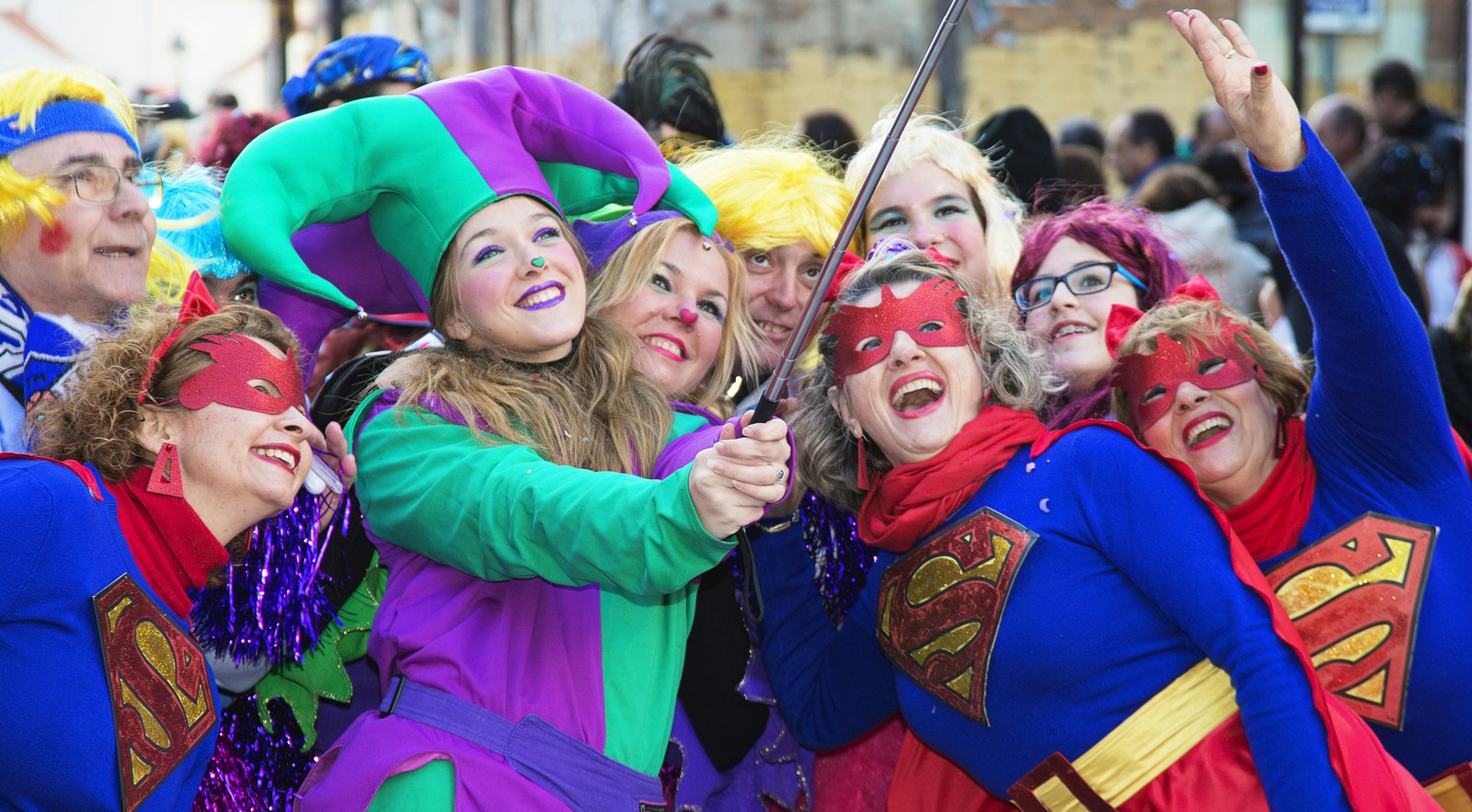
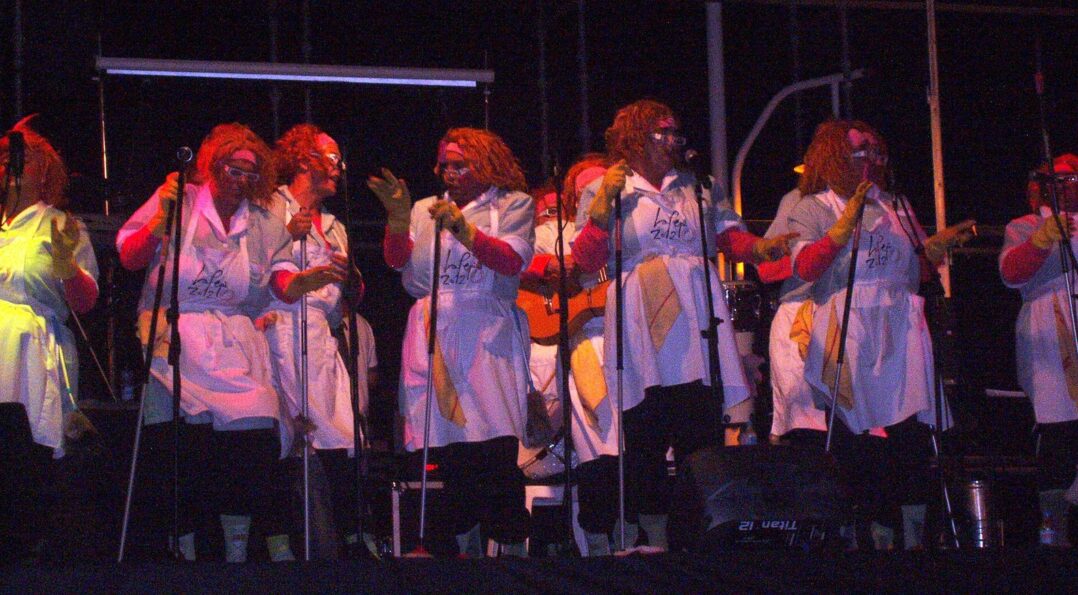
Malaga’s carnival is heard as much as it’s seen. Here, the heart of the party is the coplas. They’re satirical songs, written and sung by amateur groups. They poke gentle fun at the news, at politicians and at the city. This sung-carnival tradition goes back to 1863. It’s what sets this carnival apart from a simple costume parade. The groups have names all their own: murgas, comparsas, cuartetos, chirigotas. And take care not to mix it up with Cadiz. Malaga has its own groups, its own contest and its own style.
When is the Malaga carnival?
The Malaga carnival falls in February, just before Lent. As it depends on the Easter calendar, its dates change every year. In general, it runs a good week, weekends included. The indoor contest is held a few days before the street festivities. One simple tip: check the current year’s programme on the city website before you book. The detail of dates and parades moves often. Sometimes even mid-festival, because of rain.
The official contest at the Teatro Cervantes
Before the party comes down to the street, the groups compete at the Teatro Cervantes. It’s the official contest, the COAC. First the semi-finals, then a big final on stage. The hall knows last year’s refrains by heart. It’s the “serious” part of the carnival. It rewards the best coplas. These galas play indoors and are ticketed, at the theatre box office. Don’t confuse it with the rest: everything else is free and happens outside.
The atmosphere in the centre: Plaza de la Constitución and Calle Larios
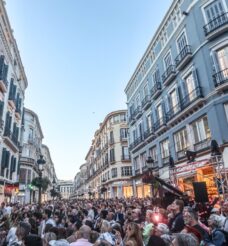
That’s where most of our guests fall in love with the carnival. It all starts at the Plaza de la Constitución. There you find the pregón, the opening speech, the concerts and the very popular drag gala. Then the groups scatter through the streets and squares. They sing their coplas to the public, on several stages. It’s the Final en la calle, the real moment not to miss. The Calle Larios, the great pedestrian avenue, fills with people and costumes. And all of it is free. Since almost everything is on foot in the old town, you drop in and out of the party as you like.
With the family: the children’s carnival
Malaga’s carnival also looks after families. There’s a pregón infantil and a fancy-dress contest for children. Add a drawing contest and workshops, mostly by day on the squares. If you travel with children, aim for the afternoon activities. It’s colourful and good-natured. They love watching the costumed groups sing their hearts out.
The finale: Batalla de las Flores and Entierro del Boquerón
The carnival ends with two moments no one forgets. First, the Batalla de las Flores covers the Plaza de la Constitución in flowers and confetti. Then, on the last Sunday, comes the Entierro del Boquerón. It’s a mock funeral, funny and a little theatrical. It comes down from the centre to the beach of La Malagueta. There, a giant cardboard anchovy is burned. Yes, an anchovy, a boquerón, not a sardine. Malagueños nickname themselves “boquerones”: it’s their wink. They even hand out free fried anchovies, the Gran Boqueroná. Do check the year’s beach, though, as it can change.
Living it from Casa Beatas
For the carnival, everything happens in the old town. And that’s our luck: from Casa Beatas, you’re on the Plaza de la Constitución in a few minutes. Arrive early for the big moments. Bring a light jacket for the late evening and for the beach. And book ahead: February is fairly quiet, but the central rooms go fast on those days. For a trip for two, take a look at our classic double room in the centre. A question about the day’s programme? Write to me on WhatsApp, I’ll tell you where the singing is.