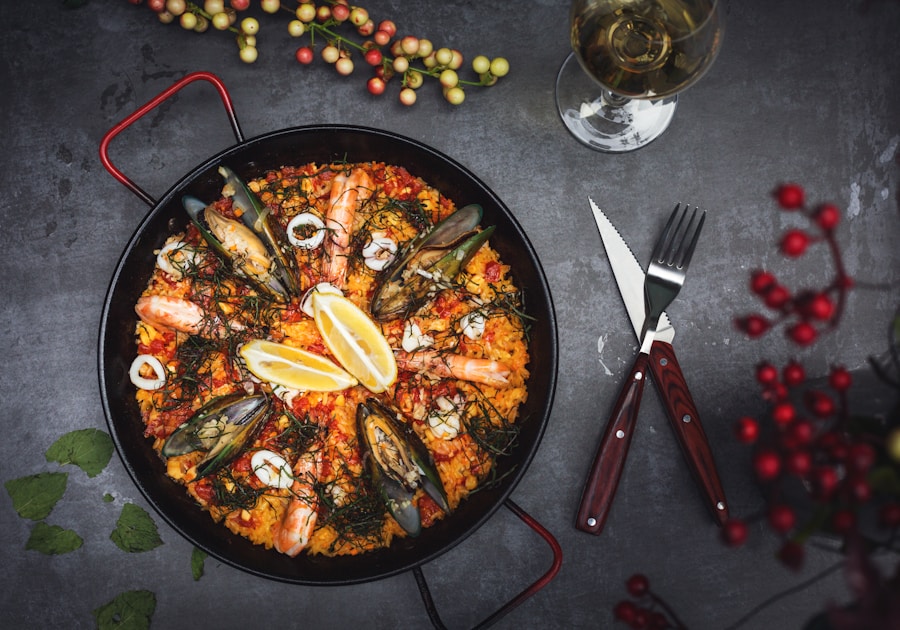
In Malaga, you don’t eat tapas at random. There’s a logic, and once you know it, it all gets simple. The city has two playing fields. In the casco antiguo, around the hotel, the tabernas rule: fried fish, boquerones, croquettes, a glass of sweet wine from the barrel. On the coast, in Pedregalejo and El Palo, the espeto de sardinas reigns. Two moods, then, and two moments of the day. Here’s how a local strings the two together.
The Mercado de Atarazanas, the starting point
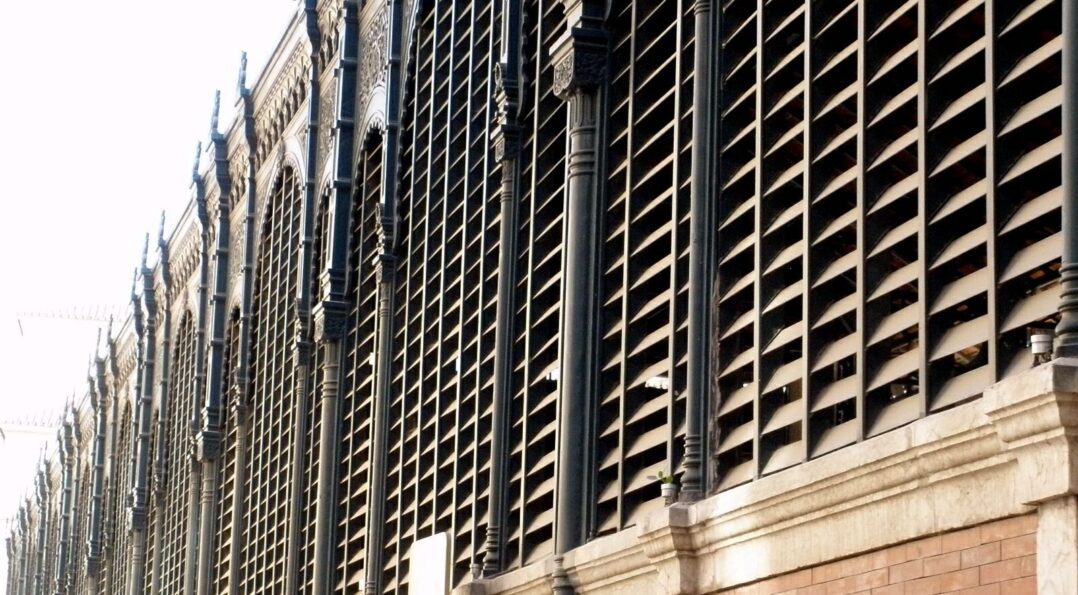
I always start at the Mercado de Atarazanas, a five-minute walk away. It’s a covered market from 1879, a hall of iron and glass. It’s built around a large Nasrid horseshoe arch, the only trace of the old Arab shipyard. “Atarazanas” actually means shipyard. At the back, a huge stained-glass window tells Malaga in colour. In the morning, Monday to Saturday, a few counters serve tapas on the spot: little fried fish, grilled prawns, octopus skewers, with a beer or a vermouth. So it’s the best place to work up an appetite and see the produce before you meet it on the plate.
The specialities not to miss
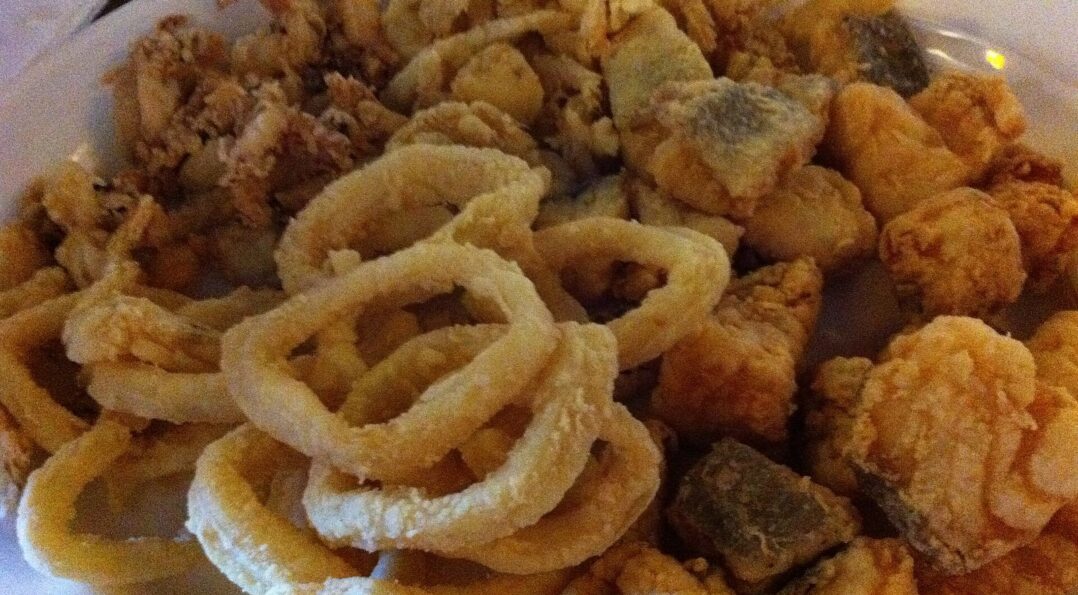
Here are a few essentials. The pescaíto frito, also called fritura malagueña: an assortment of small fried fish, light and crisp. The boquerones en vinagre: fresh anchovies marinated in vinegar, garlic and olive oil, served cold. Don’t confuse them with fried boquerones. The ensalada malagueña mixes potato, orange, cod, olives and onion. And the porra antequerana is a cold tomato-and-bread cream, thicker than salmorejo, born in Antequera. On many menus, finally try the berenjenas con miel, fried aubergines drizzled with cane molasses.
The espeto de sardinas: head for the beach
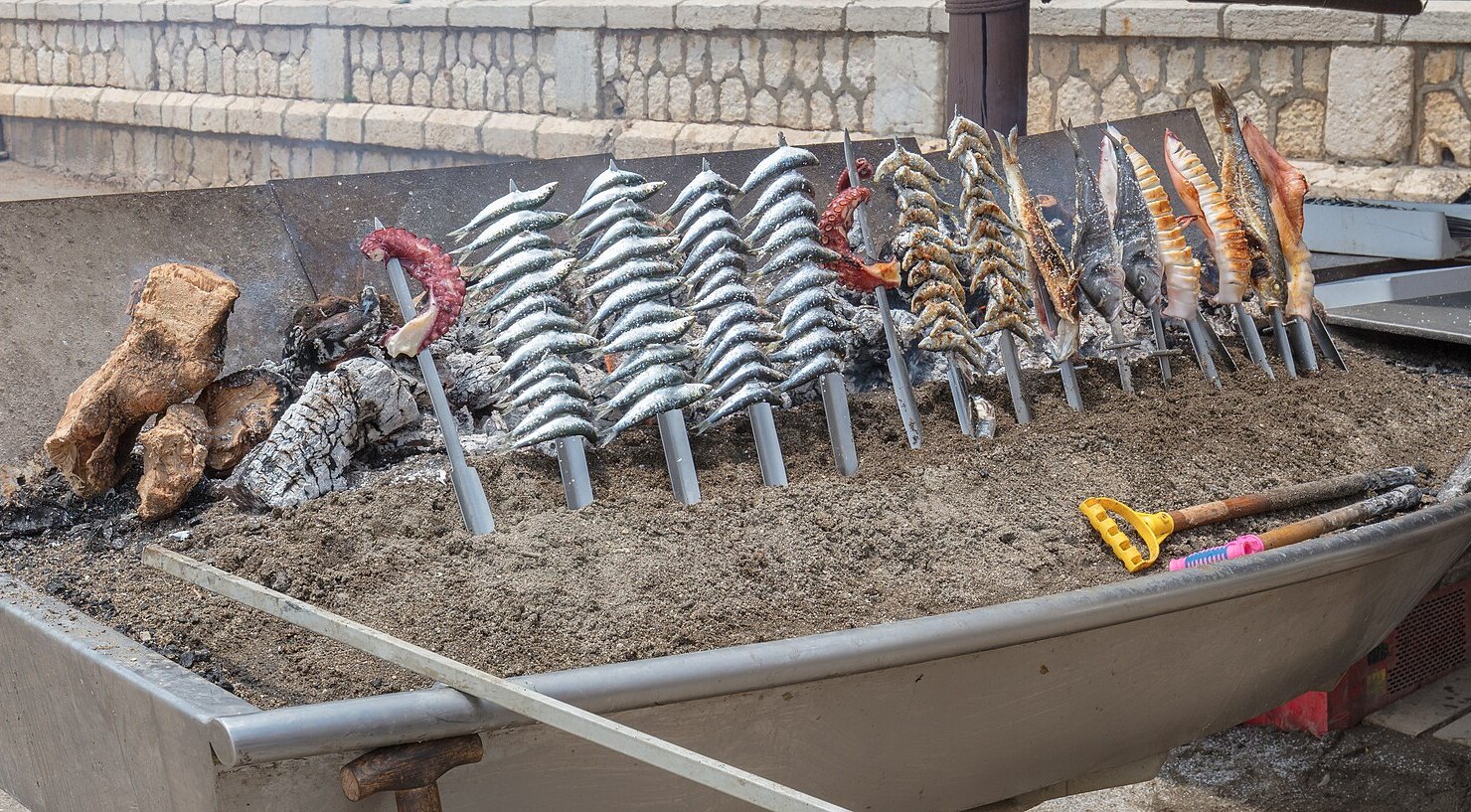
The espeto is the dish everyone links with Malaga. And it’s exactly the one you shouldn’t look for in town. The sardines are threaded onto a cane, stuck in the sand beside a wood fire, often in an old boat. They cook side-on, over the embers. You eat them with your fingers, with a little bread. All of that happens on the beach, in the chiringuitos of Pedregalejo and El Palo, east of the centre. Reckon on about €2.50 to €3 a skewer. The season is the months without an “r”: May to August, when the sardines are at their fattest.
My favourite tapas bars in the centre
For the crawl, here are my addresses, all on foot. El Pimpi (Calle Granada 62): the institution, for the atmosphere and a glass of Pedro Ximénez from the barrel. Casa Lola (Calle Granada 46): little tapas, vermouth and the famous berenjenas con miel. There’s often a queue, but it moves fast. Bar La Tranca (Calle Carretería 92): standing room, lively, vermouth on tap and walls covered in old vinyl. And for wine, the Antigua Casa de Guardia (Alameda Principal 18), the city’s oldest bar, opened in 1840. They still chalk the bill on the counter. Reckon on about €3 to €4 a tapa. Small bars change their hours, so check on the day.
My tips for a good crawl
Locals eat late, around 1.30pm, and dine even later, from 9pm. Match their rhythm and you’ll avoid the empty rooms. Learn three words too: a tapa (a small portion), a media ración (to share) and a ración (a full plate). Bring some cash for the small counters. And don’t fill up at the first bar: the pleasure is in stringing several together.
A short walk from Casa Beatas
All of this is on foot from the hotel. For a trip with friends, hopping from bar to bar, take a look at our classic twin room in the old town. Something specific, an allergy, a tight budget? Ask me at reception or on WhatsApp, I’ll map the route for you.