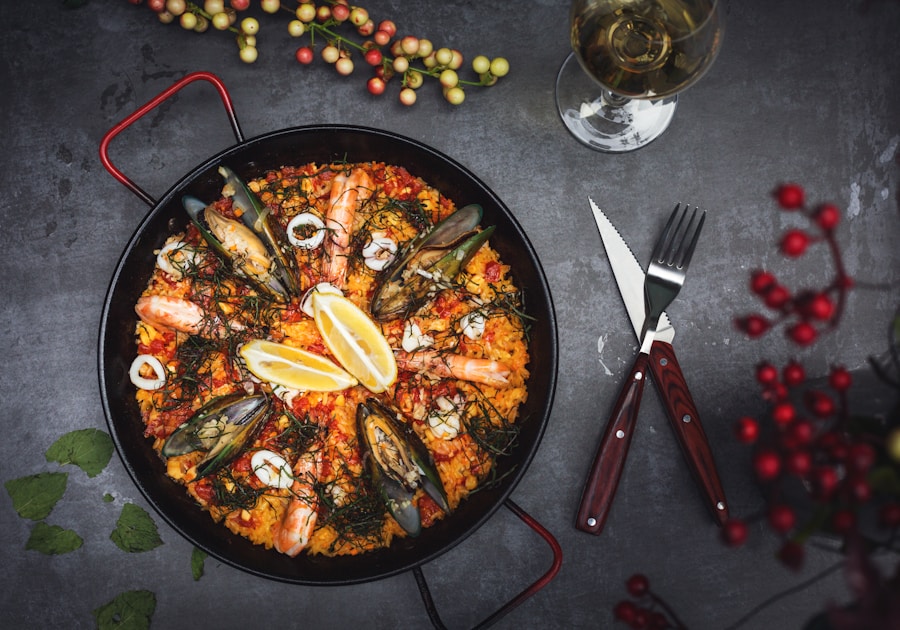
When people ask me where to eat in Malaga, I never pull out a list of fifty names. I’d rather give four or five, tried and tested, less than a ten-minute walk from the Casa Beatas hotel. Then you choose, by mood and budget. The old town is walkable. Between a century-old bodega, a creative taberna and a market full of life, you eat well without ever taking a taxi. So here are my favourite restaurants in Malaga, with what I order at each. These are the ones I send our guests to all year round.
El Pimpi: the bodega you have to have seen
It’s Malaga’s institution, open since 1971. People love its signed barrels and its terrace facing the Roman Theatre and the floodlit Alcazaba. You go first for the setting and a glass of sweet wine. Order an ajoblanco or an ensaladilla, and a vino de Málaga by the glass. Let’s be honest: it’s very touristy and often packed. My tip: drop by at the start of service, around 1pm or 9pm. Have a drink and a few tapas on the terrace. Then keep the real dinner for elsewhere. Calle Granada, five minutes from the hotel.
Uvedoble: tradition and creativity
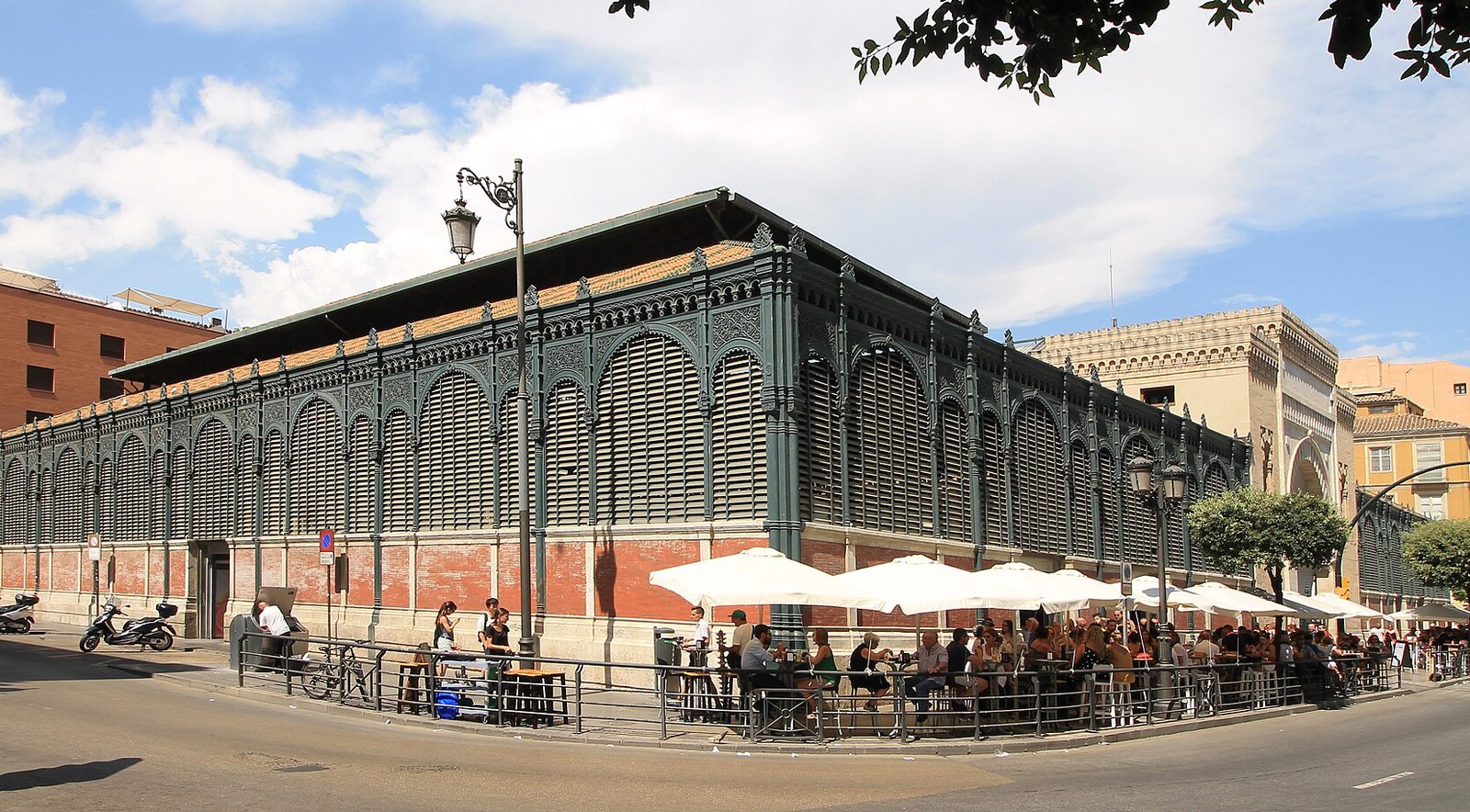
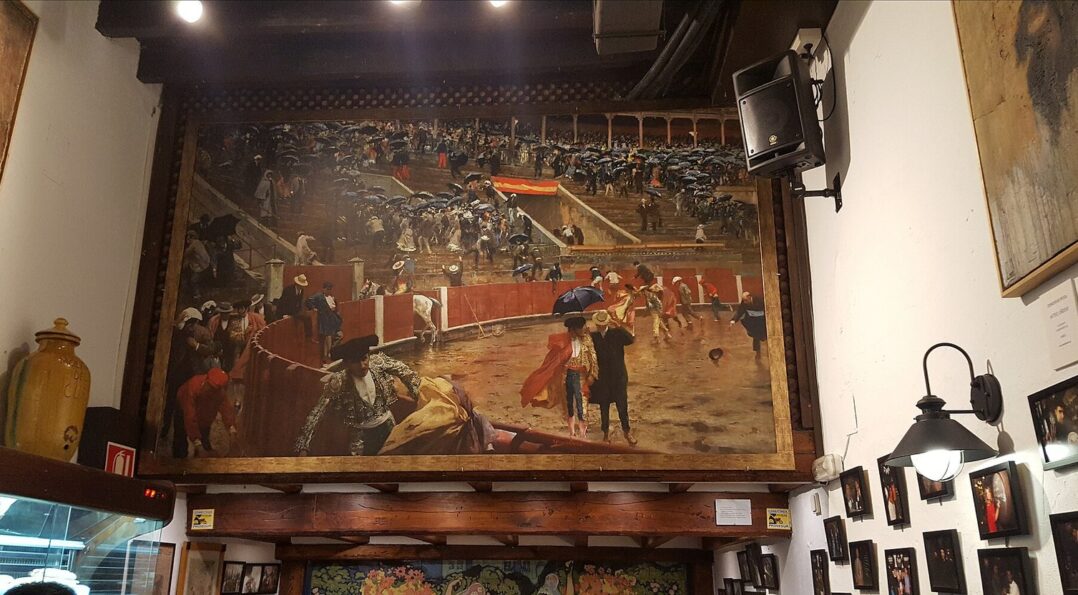
A stone’s throw from the cathedral, Uvedoble reworks Malaga cooking without betraying it. The chef shops each morning at the Atarazanas market, and it shows. On the menu: fried boquerones, croquettes, truffle tortilla, small plates that change with the day’s catch. Prices are those of a good tapas meal, not a fine-dining one. So it’s the address I give for something typical, a notch above. Come early or book, because the room is small. Calle Cister.
La Cosmo: the contemporary table
To step up a level, there’s La Cosmo, from chef Dani Carnero. It’s modern Andalusian cooking, product-focused, in a bright room with an open kitchen. It holds a Bib Gourmand from the Michelin guide. In other words: fine cooking at a fair price, not costly haute cuisine. It’s the address for a dinner that matters without breaking the bank. Book, because it’s small and popular. Just behind the cathedral, also on Calle Cister.
Casa Aranda: churros on a small budget
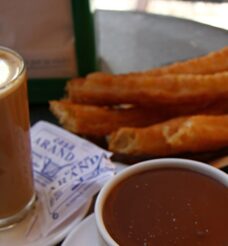
For the morning or a mid-afternoon snack, head to Casa Aranda, next to the Atarazanas market. They’ve served churros and a thick chocolate since 1932, in an alley of small counters. It’s cheap, it’s lively, it’s perfect. Reckon on a few euros. At the weekend you may wait a little: the queue is worth it. It’s a real Malaga breakfast before sightseeing, and an address the locals have never let go of.
The dishes to order (and where not to look for them)
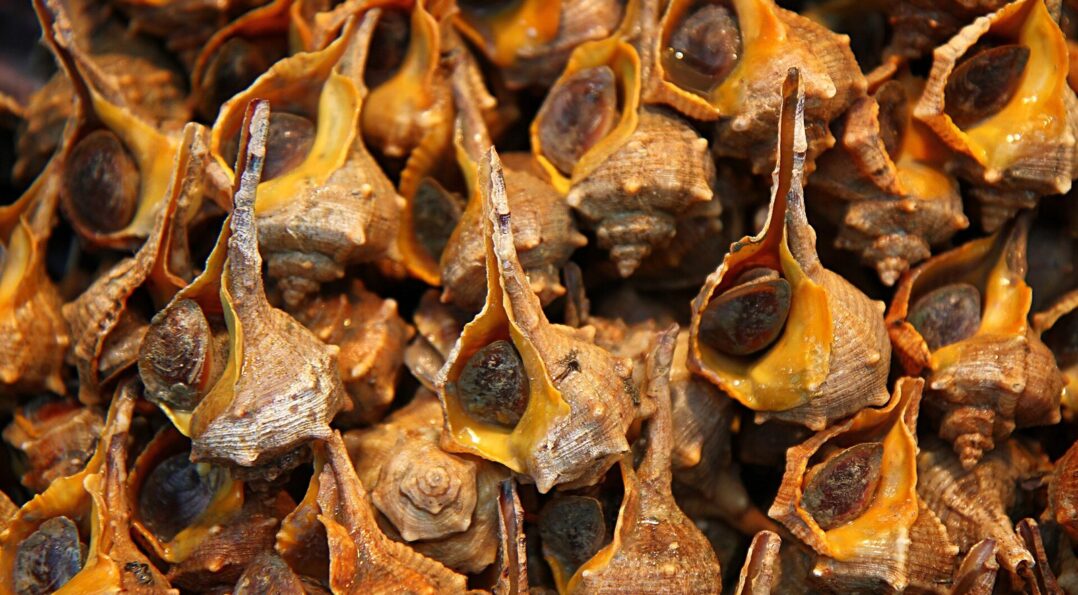
Wherever you go, try the pescaíto frito, the little fried fish, and the boquerones, those fresh fried anchovies. In hot weather, have the ajoblanco, a cold almond-and-garlic soup served with grapes. In the centre, look too for the ensalada malagueña and the porra antequerana, a thicker cousin of gazpacho. One useful note, though: the sardine espeto isn’t eaten in the centre. You enjoy it with your feet in the sand, in the chiringuitos of Pedregalejo or El Palo. For that, see Malaga’s beaches and their espetos. So don’t look for the espeto on a corner of the old town. Don’t miss the ham croquetas either, almost everywhere, or the fritura malagueña, the plate of small fried fish to share.
When and how to dine in Malaga
In Malaga, people dine late. Before 9pm, the terraces breathe. After 9.30pm, everything fills up at once, especially at the weekend. For a quiet table, shift by an hour, or book. At lunch, on the other hand, many offer a menú del día, simpler and cheaper. And take up the local habit of the tapeo: a few tapas standing at the bar, you pay at the end, then move on to another bar. That’s how you build a street dinner, without ever sitting twice in the same place. It’s all on foot from the Casa Beatas hotel. Want a plan tailored to your evening and budget? Ask me at reception or on WhatsApp, I’ll gladly point the way.